
FOSS Weekly #26.32: Kittens, Feed Readers, Free Bash Course, No AI in Kernel Staging and More

The entire debate in the Linux and open source world these days is if AI generated code should be used or not.
As Linus told AI critics to fork the project or walk away, GKH took a more surgical approach. AI patches are fine elsewhere in the kernel, but drivers/staging is off limits.
The GNOME extensions review queue is still flooded with AI slop months after the no-AI rule went in. The latest attempt to slow it down is a guide written directly for the bots doing the generating, covering the bad patterns that keep showing up.
Keychron’s doing for mice what QMK did for keyboards. ZGM is a GPL-3.0 open source firmware built on Zephyr RTOS, coming first to the G6 HE in Q1 2027. If it takes off, Linux users are the ones who gain most since practically no gaming mice ship with official Linux configuration support.
Another Ubuntu deb is becoming a Snap. hwctl, the CLI tool behind Ubuntu Pro and hardware certification checks, is going Snap-only for better sandboxing and tighter GNOME Control Center integration.
Nine months since the last release and nearly a decade in the 3.4 series, Rhythmbox 3.5.0 has finally arrived. Podcasts have seen the most work, where played episodes are now marked, notifications are better, and there’s a new gPodder.net plugin for syncing feeds.
Following up on the LVFS sponsorship story from earlier. NVIDIA has now joined as a premier sponsor, bringing the total to four OEM sponsors and hitting the funding target the project set for itself.
🧠 What We’re Thinking About
GNOME Boxes hasn’t looked modern in a long time. The rewrite, in beta now on GNOME Nightly, fixes that, moving to GTK4 and Libadwaita while opting for a Flatpak-only approach.
🧮 Linux Tips, Tutorials, and Learnings
If you use Kitty and haven’t touched its Kittens yet, then you are missing out! These are small built-in programs that extend the terminal without needing external tools, covering everything from an interactive theme switcher and font picker to a drop-down terminal, a fuzzy file chooser
If your Linux Mint desktop feels a bit plain, Cinnamon’s extension manager provides a set of visual effects worth trying. Effects like burn my windows, wobbly windows, magic lamp, and a desktop cube for workspace switching are available.
A free nine-chapter bash scripting course for beginners, covering variables, arguments, user input, arithmetic, arrays, strings, conditionals, loops, and functions.
👷 AI, Homelab and Hardware Corner
Want to take back control of what you read without an algorithm deciding for you? We have covered ten self-hosted RSS readers, with notes on which ones are actually built for self-hosting and which ones technically work but their own developers don’t recommend it.
The list is for self-hosting. For normal desktop usage, we have a separate list of RSS feed readers for Linux. It’s a bit old, but most of the apps are still in active development.
Desktop Linux is mostly neglected by the industry but loved by the community. For the past 14 years, It’s FOSS has been helping people use Linux on their personal computers. And we are now facing the existential threat from AI models stealing our content.
If you like what we do and would love to support our work, please become It’s FOSS Plus member. It costs $49 a year (less than the cost of a McDonald’s burger a month), and you get an ad-free reading experience with the satisfaction of helping the desktop Linux community. And there are also free Linux ebooks.
Join It’s FOSS Plus
✨ Apps and Projects Highlights
While it is yet to arrive on Linux, the terminal-browser is worth a look. It is a real browser that runs inside a terminal.
📽️ Videos for You
You can master AppImage installation by following a few simple steps.
💡 Quick Handy Tip
Transform Dash to Panel into a dynamic, Plank-style dock with ripple hover animations by tweaking a few key extension settings.
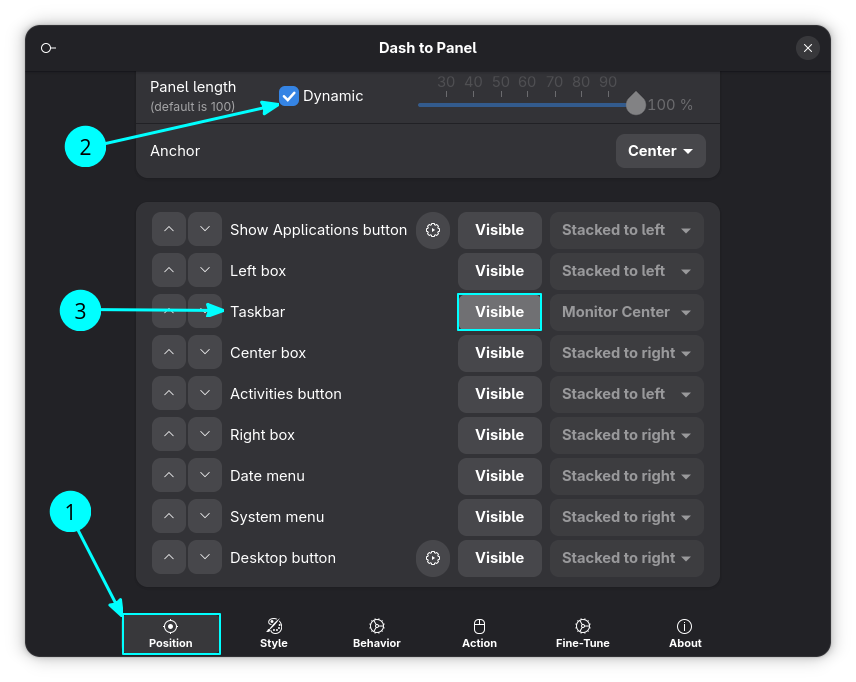
First, navigate to the “Position” tab in the Dash to Panel settings. Disable every item on the panel except for the “Taskbar“, and change the panel size or length mode to “Dynamic” so it shrinks to fit your active app icons.
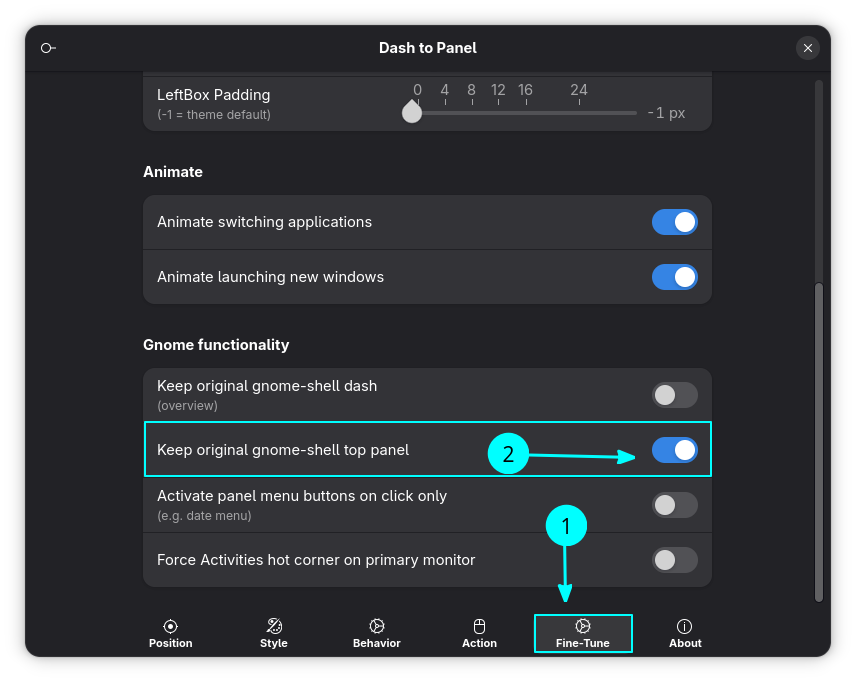
Next, open the “Fine-Tune” tab and enable “Keep original gnome-shell top panel.” This restores the standard GNOME top bar for your clock, system status icons, and menus while leaving your new dock at the bottom or side.
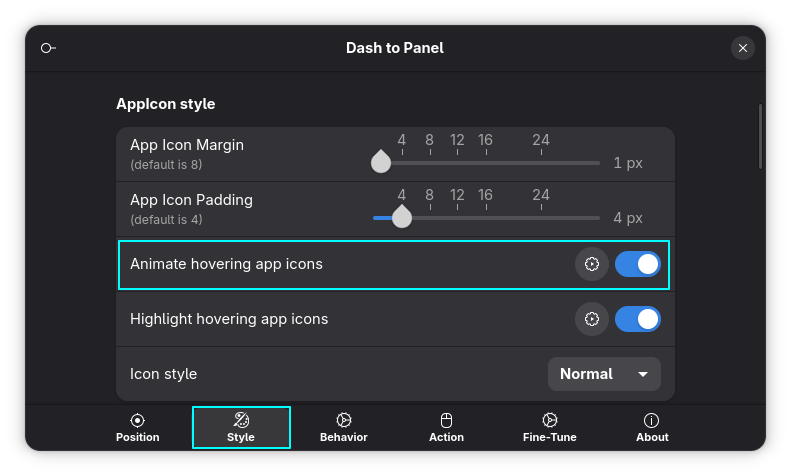
Finally, switch to the “Style” tab and enable “Animate hovering app icons.” Click the settings gear next to this option to choose and adjust your preferred hover effect.
Local AI Weekly will start from first week of August. If you are interested in learning about open source AI, please subscribe to our upcoming Local AI Weekly newsletter.
Subscribe to Local AI Weekly
🎋 Fun in the FOSSverse
Do you know what kind of Linux user you are?
Well, it’s obvious which one is the winner here. 😉

🗓️ Tech Trivia: IBM launched the System/23 Datamaster on July 28, 1981, just two weeks before the IBM PC. The same engineers built both, and what they learned on the Datamaster helped shape the desktop computer as we know it.
🧑🤝🧑 From the Community: Pro FOSSer Neville has shared his experiment running Lumina desktop on antiX-26.
