
Good Job Dell and Lenovo! Hope Others Follow You
Only last week, we were talking about how LVFS, the firmware update service for Linux, had turned up the heat on vendors who didn’t contribute their fair share.
To tackle that, the project has been going through a phased restrictions rollout that includes things like introducing fair-use download utilization graphs and removing detailed per-firmware analytics.
But that obviously wouldn’t solve their lack of funding.
Luckily, two vendors have stepped up. Lenovo and Dell have both signed on as Premier sponsors for LVFS, each putting in $100,000 a year to help fund the project going forward.
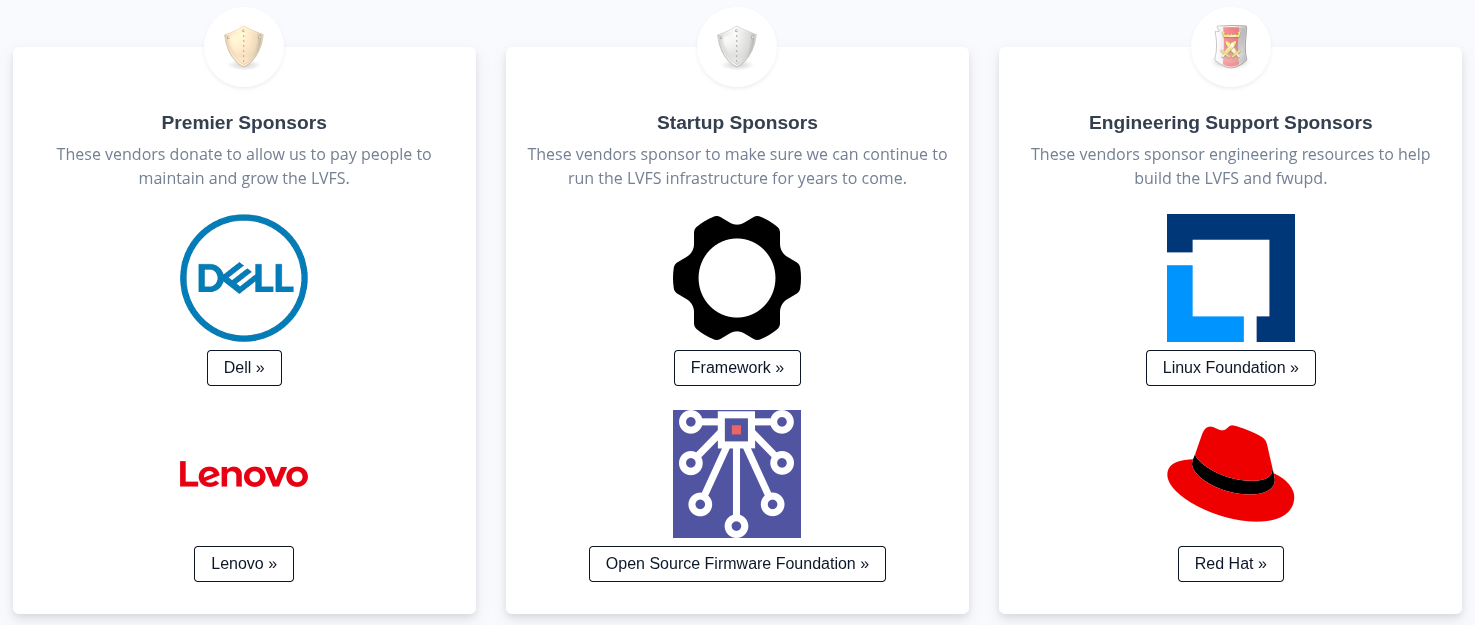
They are also the first to reach this tier. Before now, only Framework Computer and the Open Source Firmware Foundation were on as Startup sponsors, contributing $10,000 a year.
Premier is the highest level of financial commitment any vendor can make to the project.
This update was announced yesterday, with the LVFS homepage already reflecting the update. Between the two of them, that’s $200,000 a year going into a project that had been running almost entirely on the goodwill of the Linux Foundation and Red Hat.
Richard Hughes, the lone full-time developer at LVFS, wrapped up the announcement by saying:
With the huge industry support from Lenovo and Dell (and our existing sponsors of Framework, OSFF, and of course both the Linux Foundation and Red Hat) we can build this ecosystem stronger and higher than before; we can continue the great work we’ve done long into the future.
Where’s everyone else?
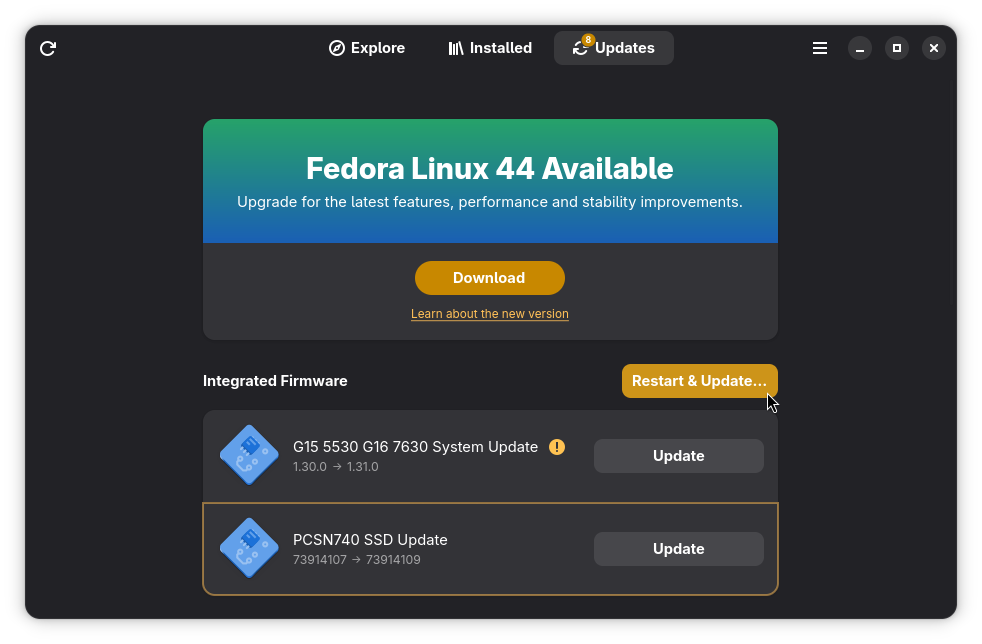
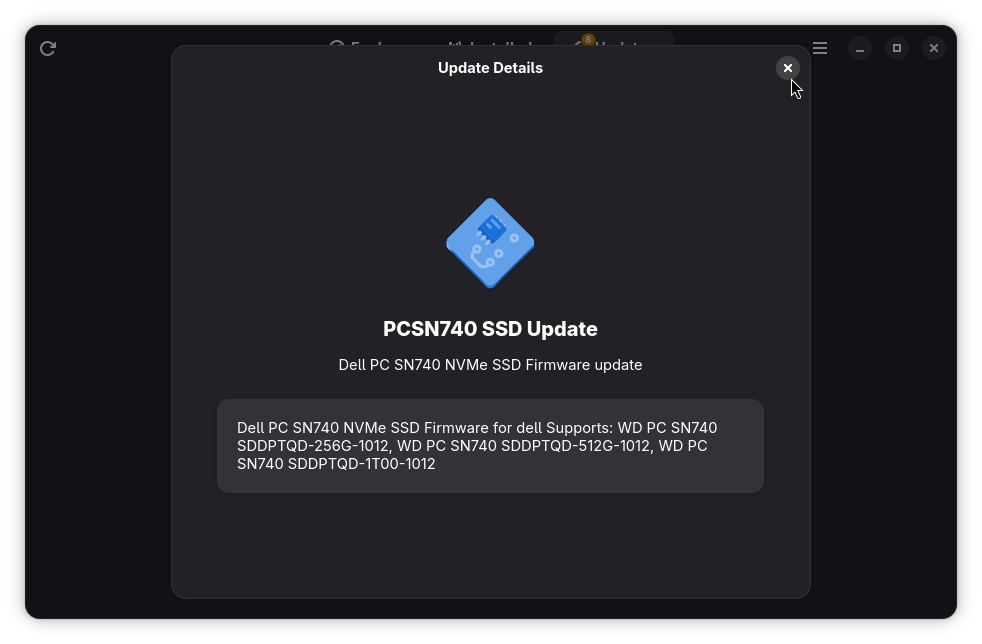
This is how firmware upgrades are delivered to me on Fedora Workstation, thanks to LVFS.
It’s not a coincidence that the first Premier sponsors are also two of the most Linux-invested OEMs in the industry. Lenovo, one of the largest PC vendors around, ships Ubuntu on laptops, desktops, and workstations worldwide and has over 700 Ubuntu-certified devices to its name.
Dell isn’t far behind, with 140+ certified configurations and partnerships with Canonical, Red Hat, and SUSE.
These certified devices are the result of Canonical and the OEM’s engineers actively collaborating to verify that the hardware runs Ubuntu reliably, covering things like drivers, firmware, and general day-to-day compatibility.
Brands that think Linux is some niche thing are ignorant at best and apathetic at worst. 🙂
The platform hasn’t been that for a long time and the argument that Linux users don’t represent a significant enough market to justify any investment stopped making sense years ago.
The vendors still treating LVFS like a free service they have no obligation to support should probably pay attention to what comes next. API access gets cut for non-Startup vendors in August. Automated upload limits follow in December.
